Rear, front and side cameras
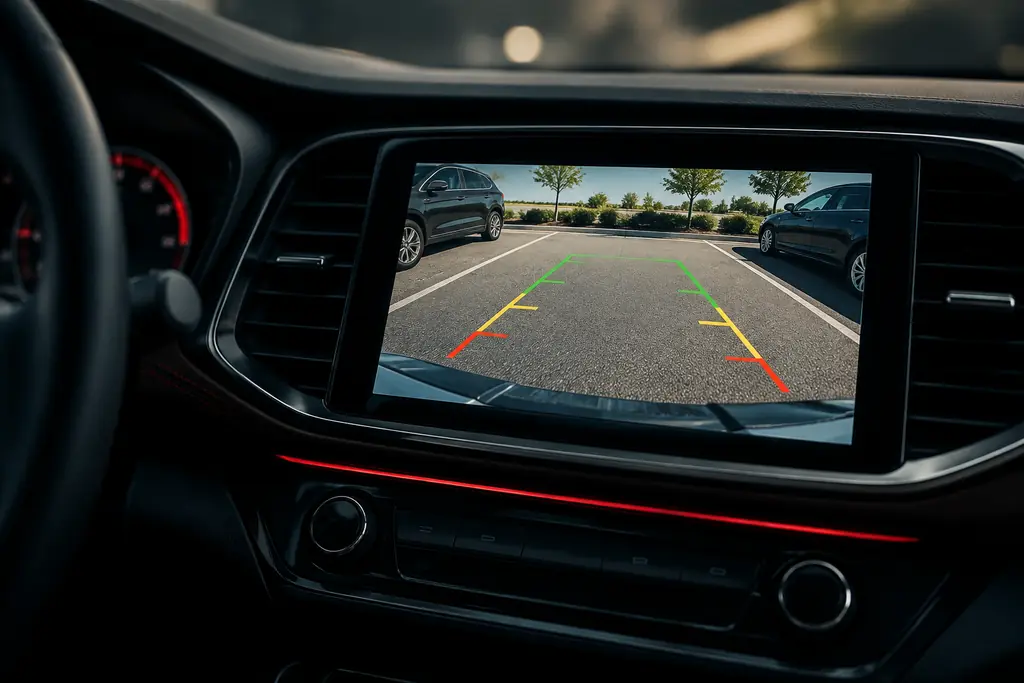
A rear camera takes the guesswork out of tight parking spots, driveways and crowded lots. We mount it where it looks factory, in the license plate area, tailgate handle or bumper, and wire it to switch on automatically when you shift into reverse.
Lifted trucks and Jeeps have big blind spots up front. A front camera shows curbs, posts and low obstacles you can’t see over the hood, and side cameras help with lane changes, trailers and tight trails. Towing? A third-brake-light camera helps you line up a hitch and keep an eye on your trailer.
Every camera is aimed and leveled so parking guidelines are accurate, and cables run behind trim panels where they stay protected. Pick a camera with good low-light performance, too; backing out of an unlit driveway at night is when you need it most.
- License plate, tailgate handle and bumper cameras
- Front cameras for lifted trucks and Jeeps
- Side and blind-spot cameras
- Third-brake-light cameras for towing
- Mirror monitors for vehicles without a screen
Dash cams built for Phoenix heat
Heat is a dash cam’s biggest enemy in Arizona. Cameras with lithium batteries can swell or fail after a few summers on the windshield. We recommend dash cams that use supercapacitors instead, because they’re designed to handle high temperatures.
Use a high-endurance microSD card, too. Standard cards wear out quickly with constant recording, and heat speeds that up. We’ll set up the camera and show you how to check and format the card.
Mounting matters as well. We tuck the camera behind the rearview mirror, out of the most direct sun and out of your line of sight, and route the cable through the headliner and pillar trim, clear of side-curtain airbags.
Hardwired parking mode
A hardwired dash cam connects to your fuse box, so it powers on with the car and there’s no cord dangling to the power outlet. In parking mode, it keeps watch while you’re away and records bumps, break-ins and hit-and-runs.
The hardwire kit monitors battery voltage and shuts the camera off before your battery runs too low to start the car. That matters in Phoenix, where heat already shortens battery life.
For full coverage, add a rear dash cam. Front-and-rear systems record both ends of the car, which helps if you’re rear-ended in stop-and-go traffic on I-17.
Works with the screen you have
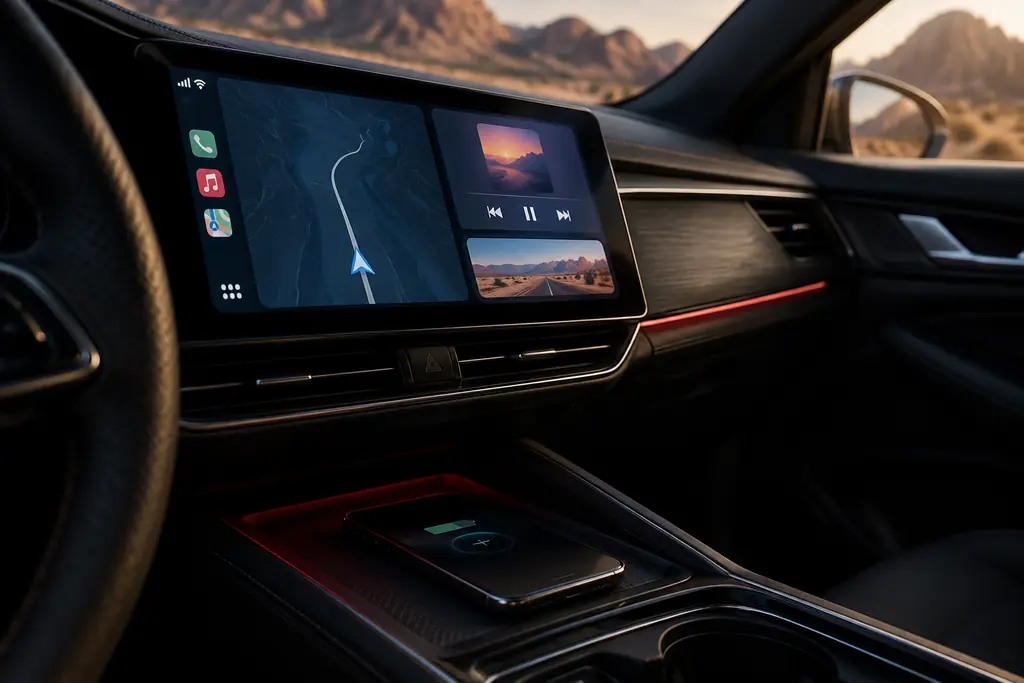
Most aftermarket receivers include a rear camera input, and some accept two cameras so you can switch between front and rear views. We can add a camera during a new Apple CarPlay or Android Auto install in the same visit. In many vehicles with a factory screen, a camera interface lets a new camera display on the original screen; we work with brands like Crux for this. No screen at all? A mirror monitor works well.
Our shop sits on West Camelback Road, easy to reach from Glendale and Maryvale. Get a free quote by phone or stop by.
Brands we work with for backup cameras
Brands with a red dot are on our Phoenix showroom shelves right now. Ask us about availability for anything else.
- Kenwood
- Alpine
- Pioneer
- JVC
- Crux
- ZZ-2